Alexey: A Versatile and Stylish Display Font for Creative Projects
The Alexey font is a distinctive display typeface that blends elegance with a touch of playfulness, making it a compelling choice for designers seeking to add visual interest to their work. While its name may suggest a simple moniker, the font itself offers a range of stylistic options that cater to both modern and traditional design aesthetics. This article explores the features, applications, and practical value of Alexey, offering insights into how it can enhance creative projects across various platforms.
Understanding Alexey: A Unique Blend of Style and Functionality
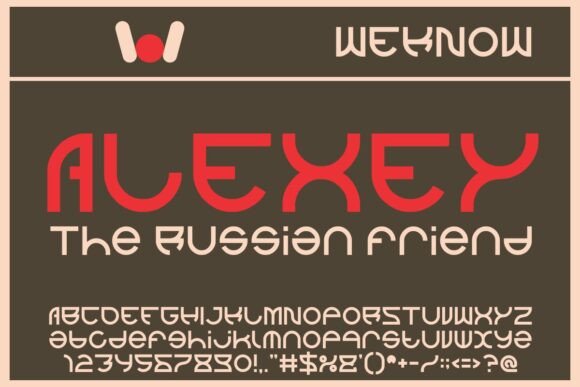
Alexey is a decorative font that stands out due to its balanced mix of readability and artistic flair. Unlike many other display fonts that prioritize style over legibility, Alexey maintains a level of clarity that allows it to function effectively in a variety of contexts. Its character set includes both uppercase and lowercase letters, along with a range of ligatures and alternate glyphs, which provide flexibility for custom typography.
One of the most notable aspects of Alexey is its ability to adapt to different design styles. Whether used in a minimalist logo, a bold headline, or an intricate graphic layout, the font retains its identity without overwhelming the composition. This versatility makes it particularly appealing for designers who want to maintain a cohesive visual language across multiple mediums.
Key Characteristics and Design Features
At first glance, Alexey appears to be a classic serif font, but closer inspection reveals subtle details that distinguish it from more conventional typefaces. The serifs are slightly tapered, giving the font a refined yet approachable feel. Additionally, the letterforms exhibit a slight variation in weight, which adds visual rhythm and prevents monotony in long text blocks.
The font’s spacing is carefully calibrated to ensure optimal legibility at different sizes. This is especially important when using Alexey for headings or titles, where clarity is essential. Despite its decorative elements, the font does not sacrifice functionality, making it suitable for both digital and print media.
Practical Applications and Use Cases
Designers often turn to Alexey for projects that require a sense of sophistication and individuality. It is commonly used in branding, editorial design, and web typography, where a strong visual identity is crucial. For instance, a small business owner looking to create a unique logo might find Alexey to be an excellent choice, as it conveys professionalism while still allowing for creative expression.
In the realm of digital design, Alexey can be employed to enhance user interfaces, such as buttons, headers, or navigation menus. Its clean lines and structured form make it well-suited for modern web layouts, where aesthetic appeal and usability go hand in hand. Additionally, the font’s compatibility with various design software ensures that it can be easily integrated into existing workflows.
Evaluating Performance and Usability
When assessing the performance of Alexey, it’s important to consider both its technical qualities and its visual impact. From a technical standpoint, the font is well-structured and consistent across different platforms, ensuring that it renders reliably on screens and in print. This reliability is critical for professionals who need to maintain a high standard of quality in their work.
Usability is another key factor to consider. While Alexey is primarily a display font, it can also be used in limited body text scenarios, provided that the font size and line spacing are appropriately adjusted. This flexibility makes it a valuable asset for designers who want to experiment with typography without compromising readability.
Strengths and Limitations
Alexey excels in situations where a distinctive yet readable font is needed. Its combination of style and functionality sets it apart from many other decorative typefaces, which often lean too heavily on ornamentation at the expense of clarity. This balance makes it a reliable option for a wide range of design projects.
However, it’s worth noting that Alexey may not be the best choice for all applications. In cases where extreme legibility is required—such as in large blocks of text or low-resolution environments—the font may not perform as effectively. Additionally, users should be mindful of licensing terms, as some variations of the font may have restrictions on commercial use.
Who Benefits Most from Using Alexey?
Professionals in creative fields, such as graphic designers, marketers, and content creators, are likely to find Alexey useful for adding a unique touch to their work. Entrepreneurs and small business owners may appreciate its ability to elevate brand identity without requiring extensive design expertise. Educators and publishers could also benefit from its versatility in creating engaging visual materials.
For freelancers and independent artists, Alexey offers a way to differentiate their work in a competitive market. Its stylish appearance can help projects stand out, whether they’re being presented in a portfolio, on a website, or in printed collateral. However, it’s important to match the font’s tone with the overall message of the project to avoid unintended visual dissonance.
Recommendations for Effective Use
To get the most out of Alexey, it’s advisable to pair it with complementary typefaces that enhance rather than compete with its visual characteristics. For example, using a sans-serif font for body text can create a harmonious contrast that improves readability without diminishing the impact of Alexey.
Additionally, experimenting with different weights and styles of the font can help achieve the desired aesthetic. Designers should also test the font in real-world scenarios, such as on websites or in print, to ensure that it meets their specific needs. By taking these steps, users can maximize the effectiveness of Alexey in their design projects.
Conclusion: A Thoughtful Choice for Creative Professionals
Alexey is a font that offers both visual appeal and practical utility, making it a valuable addition to any designer’s toolkit. Its unique blend of style and readability allows it to perform well in a variety of contexts, from branding to web design. While it may not be suitable for every project, its strengths make it a compelling option for those seeking to add a touch of sophistication to their work.
Ultimately, the decision to use Alexey depends on the specific needs and goals of the project. By considering its characteristics, limitations, and potential applications, designers can determine whether it aligns with their creative vision and functional requirements. For those who value both aesthetics and effectiveness, Alexey is a font worth exploring.