Allora: A Timeless Serif Font for Elegant Design
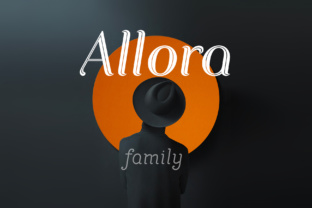
If you're looking to add a touch of sophistication and elegance to your design projects, Allora is a font that deserves your attention. This beautifully crafted serif font offers three distinct styles that can be used individually or combined to create stunning typographic compositions. Whether you're working on a logo, a website, or a print piece, Allora has the potential to elevate your work with its stylish and moody aesthetic.
But what exactly makes Allora stand out from other serif fonts? And how can you make the most of its unique features without falling into common pitfalls? Let's explore the details that make Allora a powerful tool in your design arsenal—and what to watch out for when using it.
Understanding Allora: More Than Just a Font
Allora isn't just another serif typeface; it's a versatile tool that blends classic typography with modern design sensibilities. Its three styles—regular, bold, and script—allow for creative flexibility, making it suitable for a wide range of applications. The regular style provides a clean and professional look, while the bold version adds weight and emphasis. The script variant brings a sense of movement and fluidity, perfect for headlines or decorative elements.
However, many users overlook the importance of understanding how each style interacts with the others. For example, combining the script style with the regular might lead to a cluttered appearance if not done thoughtfully. It's essential to consider the context in which you'll use Allora and how different weights and styles complement each other.
Mistakes to Avoid When Using Allora
One common mistake is assuming that Allora will automatically enhance every design. While it's undeniably beautiful, it's not a one-size-fits-all solution. Using Allora in a minimalist design, for instance, might overpower the layout and distract from the message. Similarly, applying it to body text in a long-form document could reduce readability and user engagement.
Another frequent oversight is not checking the licensing terms before downloading or purchasing Allora. Some fonts come with restrictions on commercial use, and failing to review these details can lead to legal issues down the line. Always verify the license agreement to ensure that you're using the font within its permitted scope.
Additionally, some designers may not realize the importance of testing Allora across different platforms and devices. What looks great on a high-resolution screen might appear pixelated or distorted on a mobile device. Before finalizing a project, it's wise to preview Allora in various environments to ensure consistent performance.
Practical Tips for Better Results
To get the most out of Allora, start by defining your design goals. Are you creating a brand identity, a marketing campaign, or a personal project? Understanding the purpose of your work will help you decide which styles of Allora are most appropriate. For example, a luxury brand might benefit from the bold and script versions, while a tech startup might prefer the regular style for a more modern feel.
When combining styles, keep it simple. Use the script style for headlines and the regular or bold for body text. This approach maintains visual hierarchy and prevents the design from becoming overwhelming. Also, pay attention to spacing and alignment. Serif fonts like Allora often require more generous leading and tracking to ensure optimal readability.
Don't forget to experiment with color and contrast. Allora's moody tones work well with dark backgrounds, but they might not be as effective on light ones. Test different color combinations to find what best suits your design and enhances the overall mood.
What to Check Before Making a Decision
Before downloading or purchasing Allora, take the time to review the font's characteristics. Visit the official website or trusted font platforms to see examples of how it looks in different contexts. This will give you a better sense of its versatility and limitations.
Also, consider the availability of support and resources. Some font providers offer tutorials, usage guides, and customer assistance, which can be invaluable for beginners. If you're new to using serif fonts, look for additional tips or recommendations to help you make informed choices.
Finally, think about the long-term value of Allora. Will it serve your current and future projects? A font that's too niche or difficult to use might not be worth the investment. Choose a font that aligns with your design philosophy and supports your creative vision.
Conclusion: Make Informed Choices with Allora
Allora is a remarkable font that can bring a sense of elegance and refinement to your designs. However, its effectiveness depends on how you choose to use it. By avoiding common mistakes, understanding its strengths, and making thoughtful decisions, you can unlock its full potential.
Whether you're a designer, marketer, or content creator, taking the time to learn about Allora and its proper application will lead to better results and greater satisfaction. With the right approach, this font can become a valuable asset in your design toolkit, helping you create visually compelling and professionally polished work.