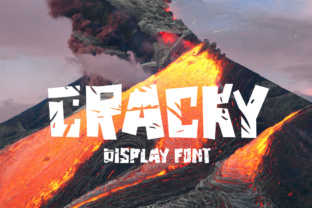
Cracky: A Bold Torn Font for Creative Expression
In the world of design, typography plays a crucial role in conveying emotion, setting tone, and capturing attention. One font that stands out for its unique aesthetic is Cracky. This torn font with sharp edges offers a distinctive visual style that can elevate any project, from branding to editorial work. Its versatility and comprehensive character set make it a valuable tool for designers looking to add a touch of edginess to their designs.
What Makes Cracky Unique?
Cracky is more than just a font; it's a statement. The torn edges give it a raw, unpolished look that can evoke a sense of urgency or rebellion. This font is ideal for projects that require a strong visual impact, such as posters, logos, or social media graphics. Its sharp edges add a level of detail that can make text stand out in a crowded space.
The font includes a full set of lowercase letters, making it suitable for a wide range of applications. Whether you're designing a website, creating a brochure, or working on a digital campaign, Cracky provides the flexibility needed to meet various design needs. It also features a large range of punctuation, numerals, and Cyrillic characters, ensuring that it can be used across different languages and regions.
Practical Benefits of Using Cracky
For professionals in the creative industry, time is often a limiting factor. Cracky can help streamline the design process by offering a ready-made solution that doesn't require extensive customization. Its clear structure and consistent design make it easy to integrate into existing layouts, saving valuable time during the development phase.
Consider a scenario where a designer is working on a marketing campaign for a new product launch. Using Cracky can add an element of surprise and intrigue, making the campaign more memorable. The font's boldness can draw attention to key messages, helping to communicate the brand's identity more effectively.
Enhancing Communication Through Visuals
Effective communication often relies on visuals to convey complex ideas quickly. Cracky can be particularly useful in this context. Its sharp edges and torn appearance can be used to highlight important information, such as call-to-action buttons or headlines. This can help guide the viewer's eye and ensure that the most critical elements are noticed first.
For educators or trainers, using Cracky in presentations can make content more engaging. The font's unique style can capture the audience's attention and keep them interested throughout the session. It can also be used to create visually appealing handouts or worksheets that stand out from traditional fonts.
Who Can Benefit Most from Cracky?
While Cracky is versatile, it may not be the best fit for every project. Its bold and unconventional style might not align with more formal or minimalist design approaches. However, for those who value creativity and want to make a strong visual statement, Cracky can be an excellent choice.
Entrepreneurs and small business owners looking to differentiate their brand can benefit from using Cracky in their logos or marketing materials. The font's unique look can help establish a distinct identity that sets them apart from competitors. Similarly, bloggers and content creators can use Cracky to add personality to their websites or social media posts, making their content more visually appealing.
Realistic Use Cases for Cracky
Imagine a graphic designer working on a music festival poster. Incorporating Cracky into the design could create a sense of energy and excitement that matches the event's vibe. The font's sharp edges can add a dynamic feel, making the poster more eye-catching and memorable.
Another example could be a digital marketer creating a series of social media ads. Using Cracky in the headlines can help the ads stand out in a user's feed, increasing the likelihood of engagement. The font's boldness can also help convey a sense of urgency or importance, which is essential for effective advertising.
Limitations and Considerations
Despite its many benefits, Cracky may not be suitable for all situations. In some cases, its aggressive style could be overwhelming or distracting. For instance, in a corporate report or a professional document, a more traditional font might be more appropriate. It's important to consider the context and audience when choosing a font.
Additionally, while Cracky supports multiple languages, it's always a good idea to test the font in different languages to ensure that it displays correctly. Some characters may not render as expected, especially in less commonly used scripts. This is a common consideration when working with multilingual fonts.
Choosing the Right Font for Your Needs
When selecting a font, it's essential to think about the message you want to convey and the audience you're targeting. Cracky is an excellent option for those looking to add a unique and impactful visual element to their work. However, it's also worth exploring other fonts to see what best fits your specific needs.
Designers should take the time to experiment with different fonts and see how they perform in various contexts. This can help identify the most effective solutions for each project. By understanding the strengths and limitations of Cracky, users can make informed decisions that enhance their overall design outcomes.