LL Pixel: A Retro-Futuristic Font for Modern Design
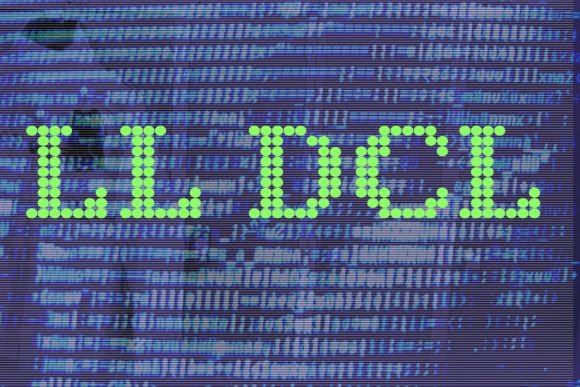
In the ever-evolving world of digital design, fonts play a crucial role in shaping visual identity and user experience. Among the many typefaces available, LL Pixel stands out as a unique blend of pixel art and retro aesthetics, offering a fun and lighthearted vibe that resonates with both nostalgic and forward-thinking audiences. This font is more than just a stylistic choice—it's a tool that can elevate creative projects, branding efforts, and interactive experiences.
The Origins of LL Pixel
LL Pixel was designed with a clear vision: to merge the charm of early video game graphics with the precision of modern typography. The font draws inspiration from the blocky, low-resolution visuals of 8-bit and 16-bit gaming eras, but it also incorporates contemporary design principles to ensure readability and versatility across various platforms. Its name reflects its dual nature—“LL” could stand for “Loving Legacy” or “Luminous Logic,” while “Pixel” highlights its foundational structure.
This font is particularly appealing to designers who want to evoke a sense of nostalgia without sacrificing clarity. Whether used in a mobile app interface, a website header, or a print advertisement, LL Pixel brings a playful energy that can differentiate a project from the competition.
Key Characteristics of LL Pixel
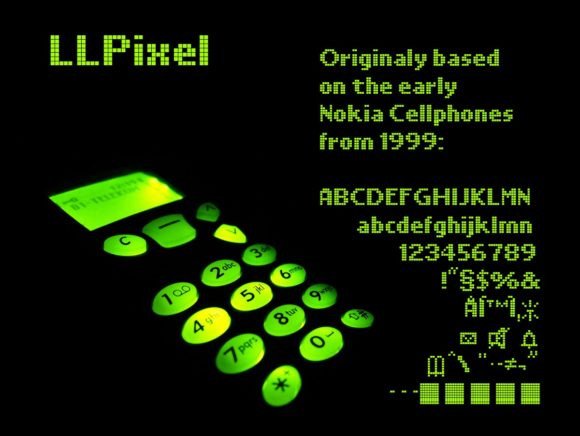
One of the most distinctive features of LL Pixel is its grid-based design. Each character is constructed using uniform blocks, creating a consistent and structured appearance. This makes the font highly legible at smaller sizes, which is essential for digital interfaces where space is limited.
Another notable aspect is its adaptability. While the font has a retro feel, it can be modified to suit different contexts. For example, designers can adjust the spacing, weight, or color to match the overall aesthetic of a project. This flexibility allows LL Pixel to be used in a wide range of applications, from casual logos to professional presentations.
The font also includes a variety of glyphs beyond the standard alphabet. These include symbols, emojis, and custom characters that add to its expressive potential. This makes it ideal for projects that require a unique visual language, such as indie games, educational materials, or creative campaigns.
Practical Applications of LL Pixel
LL Pixel is not just a novelty font—it has real-world applications that make it valuable for designers, developers, and content creators. One of the most common uses is in game design, where the font’s pixelated style aligns perfectly with the visual themes of retro-style games. It can be used for title screens, menus, and in-game text to create an immersive experience that feels authentic to the era it represents.
Outside of gaming, LL Pixel is also useful in branding and marketing. Companies looking to convey a playful or innovative image can use this font to create logos, social media graphics, or promotional materials that stand out. Its retro-futuristic look can help brands connect with younger audiences who appreciate vintage aesthetics while still feeling modern and relevant.
For educators and instructional designers, LL Pixel offers a way to make learning materials more engaging. In e-learning platforms or classroom resources, the font can be used to highlight key points, create visual breaks, or add a sense of fun to otherwise dry content. This can improve user engagement and retention, especially in subjects that benefit from a more dynamic presentation.
Advantages of Using LL Pixel
One of the main advantages of LL Pixel is its ability to evoke emotion through design. The font’s retro style can trigger feelings of nostalgia, curiosity, and excitement, making it a powerful tool for storytelling and brand communication. This emotional connection can be especially valuable in industries like entertainment, education, and technology, where user experience is a key differentiator.
Another benefit is its cross-platform compatibility. LL Pixel is available in multiple file formats, including TrueType (TTF) and OpenType (OTF), ensuring that it can be used in a variety of design software and web environments. This makes it accessible to a wide range of users, from graphic designers to web developers who may need to integrate the font into their projects.
Additionally, LL Pixel is often praised for its clean and organized layout. Unlike some other pixel fonts that can appear cluttered or inconsistent, LL Pixel maintains a balanced structure that enhances readability. This is especially important when the font is used in body text or long-form content, where clarity is essential.
Considerations When Using LL Pixel
While LL Pixel is a versatile and visually appealing font, it’s important to consider its limitations. For instance, it may not be suitable for all types of content. In formal or professional settings, the font’s playful style might not align with the desired tone. Designers should evaluate whether the font’s personality matches the message they want to convey.
Another consideration is the size and resolution at which the font is displayed. While it works well at smaller sizes, scaling it up too much can lead to a loss of detail or a distorted appearance. This is something to keep in mind when using the font for headings or large-scale designs.
Finally, users should ensure that they have the proper licensing for any commercial projects. Some fonts come with restrictions on usage, and it’s always best to verify the terms before incorporating LL Pixel into a public-facing design.
How to Incorporate LL Pixel into Your Workflow
Integrating LL Pixel into a design workflow is straightforward. Most design software, such as Adobe Photoshop, Illustrator, and Figma, supports custom fonts, allowing users to install and apply LL Pixel directly within their projects. For web developers, the font can be embedded using CSS, making it easy to implement on websites and digital platforms.
When working with LL Pixel, it’s helpful to experiment with different combinations. Pairing it with a modern sans-serif font, for example, can create a contrast that highlights the retro elements of LL Pixel without overwhelming the design. Similarly, using it sparingly in a composition can add visual interest without compromising readability.
Designers can also explore variations of the font by adjusting its properties. Increasing the line height, changing the letter spacing, or applying subtle effects like shadows or gradients can enhance the font’s impact and make it more adaptable to different contexts.