Nocturne: A Vintage-Inspired Font with Modern Appeal
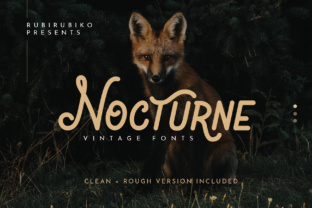
Nocturne is a distinctive display font that blends vintage aesthetics with contemporary design principles. Its elegant, monoline structure gives it a clean and modern look while maintaining the warmth and character of traditional typography. This combination makes Nocturne an appealing choice for designers seeking a handcrafted feel without sacrificing clarity or versatility.
What Makes Nocturne Unique?
Nocturne stands out due to its balanced proportions and subtle flourishes that evoke a sense of timelessness. Unlike many retro fonts that can feel overly ornate or difficult to read at smaller sizes, Nocturne maintains legibility across various applications. The monoline design ensures consistent stroke width, which contributes to its on-trend appeal and makes it suitable for both digital and print media.
The font’s versatility allows it to work well in branding, editorial design, and web projects where a touch of sophistication is needed. Its design elements are carefully crafted to avoid being too flashy, making it a practical choice for professionals who want to add visual interest without overwhelming the audience.
Comparing Nocturne to Similar Fonts
When considering display fonts, Nocturne sits between classic serif typefaces and more modern sans-serif designs. It shares similarities with fonts like Playfair Display and Cinzel, which also incorporate a refined, elegant style. However, Nocturne distinguishes itself through its monoline structure, which offers a cleaner appearance compared to the varying stroke widths found in many traditional serif fonts.
In contrast to more decorative fonts such as Great Vibes or Dancing Script, Nocturne provides a more restrained and professional look. While those fonts excel in casual or artistic contexts, Nocturne is better suited for projects that require a balance between creativity and readability. This makes it a strong option for businesses or publications aiming to convey a polished yet approachable image.
Strengths and Best-Fit Situations
Nocturne excels in situations where a refined, slightly nostalgic aesthetic is desired. It works particularly well in branding for industries such as hospitality, fashion, and lifestyle sectors. Its ability to blend into different design schemes without overpowering them makes it a flexible choice for logos, headings, and titles.
One of its key strengths is its adaptability. Whether used in a minimalist layout or paired with bold colors and textures, Nocturne maintains its visual integrity. It also performs well in multi-language environments, as its letterforms are designed to support a wide range of characters and diacritics.
Tradeoffs and Limitations
While Nocturne is highly versatile, it may not be the best choice for every project. Its relatively subdued ornamentation means it might not stand out in highly competitive or attention-grabbing contexts. For example, in advertising or high-impact marketing materials, a more dramatic font could be more effective.
Additionally, because of its monoline structure, Nocturne may lack the visual depth that some designers seek in more complex typefaces. This can be a limitation when working on projects that require a strong typographic hierarchy or a distinct visual identity.
When to Choose Nocturne
Nocturne is ideal for projects that benefit from a subtle yet sophisticated design language. It is particularly well-suited for websites, brochures, and branding materials where a refined appearance is important. Its clean lines and balanced proportions make it a good fit for both digital and print mediums, ensuring consistency across platforms.
For instance, a boutique hotel looking to create a website that conveys elegance and comfort might find Nocturne to be a perfect match. Similarly, a lifestyle blog aiming to maintain a cohesive visual theme could use Nocturne to add a touch of class to its headlines and section titles.
Alternatives to Consider
If a more expressive or dramatic font is needed, alternatives such as Lobster or Allura could be better options. These fonts offer bolder strokes and more pronounced curves, making them suitable for creative or artistic projects. However, they may not provide the same level of readability or professionalism as Nocturne.
For those who prefer a more minimalistic approach, fonts like Montserrat or Open Sans might be preferable. These sans-serif typefaces are known for their clarity and modern appeal, making them excellent choices for digital interfaces and long-form text. However, they lack the vintage charm that Nocturne brings to the table.
Practical Tips for Using Nocturne
To get the most out of Nocturne, consider pairing it with complementary typefaces. For example, using a simple sans-serif font for body text while reserving Nocturne for headings can create a clear visual hierarchy. This approach helps maintain readability while still allowing the font to shine in key areas.
Another tip is to experiment with different weights and styles. Many display fonts come in multiple variations, such as regular, bold, and italic. Using these variations thoughtfully can enhance the overall design and prevent the text from appearing flat or uninteresting.
Conclusion
Nocturne is a well-crafted display font that successfully bridges the gap between vintage inspiration and modern design. Its monoline structure, balanced proportions, and refined aesthetic make it a valuable tool for designers looking to add a touch of elegance to their work. While it may not be the best fit for every project, it offers a compelling alternative for those seeking a stylish yet practical typeface.
By understanding its strengths and limitations, users can make informed decisions about when and how to incorporate Nocturne into their design work. Whether used in branding, editorial design, or web development, Nocturne provides a versatile and visually appealing solution for a wide range of applications.