Blue April: The Bold, Edgy Font for Modern Design
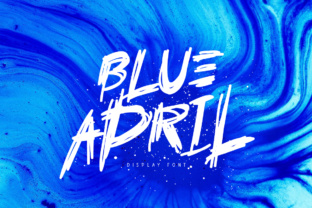
If you're looking for a font that commands attention and adds a sense of urgency to your work, Blue April is a standout choice. This all-caps font has a textured, dynamic feel that makes it ideal for projects where visual impact matters. Whether you're designing a logo, crafting a headline, or creating a social media post, Blue April brings a fresh, modern edge that can elevate your design game.
What Makes Blue April Unique?
Blue April isn't just another font—it's a statement. Its bold, uppercase style gives it an immediate presence, making it perfect for situations where you want to grab the viewer's attention. The texture in the letters adds depth and dimension, which can make your designs feel more tactile and engaging. Unlike many fonts that are clean and minimal, Blue April has a slightly rough, handcrafted look that feels more authentic and raw.
This font works especially well when paired with other elements that have a strong visual identity. For example, if you're designing a poster for a music festival, Blue April can be used for the event name to create a sense of energy and excitement. It also pairs well with bold colors and high-contrast backgrounds, which help the font stand out even more.
Real-World Applications of Blue April
One of the most common uses for Blue April is in branding and marketing materials. Companies that want to project a sense of confidence and urgency often use this font for headlines, taglines, and promotional content. It's particularly popular in industries like fashion, tech, and entertainment, where a modern, edgy aesthetic is key.
For example, a tech startup launching a new app might use Blue April for their website's main headline. The font's boldness and texture can help convey innovation and forward-thinking, which aligns with the brand's message. Similarly, a fashion brand might use Blue April on a limited-edition product label to create a sense of exclusivity and time-sensitive appeal.
Blue April also shines in digital spaces. Social media platforms like Instagram and Twitter often rely on eye-catching text to stand out in crowded feeds. Using Blue April for captions, headlines, or call-to-action buttons can help your content get noticed. It's especially effective when combined with vibrant visuals or motion graphics, as the font's texture adds an extra layer of interest.
Who Benefits from Using Blue April?
Designers, marketers, and entrepreneurs are the primary users of Blue April, but its versatility means it can be useful across a wide range of professions. Graphic designers who want to add a unique touch to their work often turn to this font for special projects. Marketers looking to create compelling ad copy find that Blue April helps their messages feel more urgent and impactful.
Even non-designers can benefit from using Blue April. If you're running a small business and need to create promotional materials, this font can help you achieve a professional look without requiring advanced design skills. Many online tools now allow users to apply Blue April to text easily, making it accessible for people who aren't familiar with design software.
Another group that finds value in Blue April is content creators. You'll often see this font used in YouTube thumbnails, podcast titles, and blog headers. Its bold appearance helps these elements stand out, which can lead to higher click-through rates and better engagement.
Considerations Before Using Blue April
While Blue April is powerful, it's not always the best choice for every project. One thing to keep in mind is readability. Because the font is all caps and has a textured appearance, it may not be the best option for long blocks of text. It's most effective when used sparingly, such as in headlines, logos, or short phrases.
Another consideration is the context in which it's used. Blue April works well for edgy, modern designs, but it might not fit with more traditional or minimalist aesthetics. If you're aiming for a clean, elegant look, you might want to pair it with a simpler font or use it only in specific areas of your design.
Finally, it's important to consider the platform where your design will be displayed. Some digital environments, like mobile apps or websites, may not render Blue April as clearly as others. Testing your design across different devices and screen sizes can help ensure that the font looks good everywhere it's used.
When to Avoid Blue April
There are certain situations where Blue April might not be the best fit. For instance, if you're designing for a formal or professional setting, the font's edginess could come off as too casual or unrefined. In these cases, a more traditional font might be a better choice.
Additionally, if your audience is primarily older adults, you might want to avoid using Blue April for body text. While it's visually striking, it can be harder to read for some people, especially those with visual impairments. In such cases, a clearer, more legible font would be more appropriate.
Lastly, if you're working on a project that requires a lot of text, such as a brochure or a book, Blue April may not be practical. Its texture and all-caps style can make reading lengthy content less comfortable, so it's best reserved for shorter, more impactful pieces.
How to Get Started with Blue April
If you're interested in using Blue April, the first step is to find a reliable source for the font. Many design marketplaces offer downloadable versions of Blue April, and some platforms provide free trials so you can test it before committing. Once you have the font installed, you can start experimenting with it in your design projects.
Don't be afraid to mix and match. Pairing Blue April with other fonts can create a balanced look that highlights its strengths while maintaining readability. For example, using a simple sans-serif font for body text and Blue April for headings can create a clean, professional appearance without sacrificing style.
As you explore different applications, pay attention to how the font interacts with other design elements. Adjusting color, spacing, and layout can help you get the most out of Blue April while ensuring your design remains functional and visually appealing.