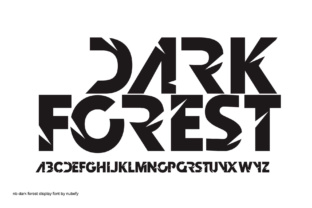
Dark Forest: A Bold Typeface for Impactful Design
Dark Forest is more than just a font—it's a visual statement. This display typeface is designed to command attention, making it ideal for projects that need to stand out. Its strong, dramatic strokes and unique character set make it perfect for creating a sense of mystery, power, or urgency. Whether you're designing a logo, crafting a headline, or developing a brand identity, Dark Forest offers a distinctive aesthetic that can elevate your work.
What sets Dark Forest apart is its ability to convey emotion through typography. Unlike standard fonts that prioritize readability above all else, Dark Forest leans into its artistic qualities. The irregular shapes and bold lines give it a raw, organic feel that can evoke a range of moods. This makes it especially effective in creative industries where visual impact is key.
Why Dark Forest Works for Display Typography
Display typefaces are meant to be seen, not read. They serve as visual anchors in design, drawing the eye and setting the tone. Dark Forest excels in this role by combining strength with expressiveness. Its thick strokes and sharp angles create a sense of authority, while its subtle variations in weight add depth and interest.
For designers, this means Dark Forest can be used to highlight key messages, introduce new sections, or reinforce a brand's personality. It's particularly useful in contexts where a strong visual presence is needed, such as in advertising, editorial layouts, or digital interfaces. When paired with simpler fonts, it can add contrast and balance without overwhelming the overall design.
Creative Applications of Dark Forest
The versatility of Dark Forest opens up a wide range of creative possibilities. Here are a few examples of how it can be applied:
- Brand Identity: Use Dark Forest for logos, taglines, or product names to create a memorable and striking visual identity.
- Headlines and Titles: Incorporate it into article titles, book covers, or website headers to grab attention and set a tone.
- Marketing Materials: Apply it to posters, flyers, or social media graphics to make your message more visually compelling.
- Artistic Projects: Experiment with it in illustrations, posters, or mixed-media designs to add a unique aesthetic.
Each application benefits from the font's boldness and character. By using it strategically, you can ensure it enhances rather than distracts from the overall message.
Adapting Dark Forest for Different Audiences and Contexts
While Dark Forest is powerful on its own, its effectiveness depends on how it's used. Different audiences and platforms may require adjustments in size, spacing, or pairing with other fonts. For example:
- Web Design: Use it for headings or call-to-action buttons, but avoid overusing it to maintain readability on screens.
- Print Media: Leverage its texture and weight for high-impact elements like magazine covers or event invitations.
- Targeted Messaging: Pair it with a clean sans-serif font for a balanced look when addressing professional or formal audiences.
- Experimental Work: Let it take center stage in art pieces or personal projects where the focus is on visual storytelling.
Understanding your audience helps determine how best to integrate Dark Forest into your design. The goal is to use it in a way that feels natural and relevant.
Best Practices for Using Dark Forest
To get the most out of Dark Forest, consider these practical tips:
- Limit Usage: Use it sparingly to avoid visual clutter. One or two instances per design often have the greatest impact.
- Adjust Spacing: Add extra space between letters or lines to improve legibility, especially in smaller sizes.
- Test in Context: View it in different formats—print, web, mobile—to see how it performs across platforms.
- Pair Thoughtfully: Combine it with complementary fonts to create harmony and contrast.
These steps help ensure that Dark Forest enhances your design rather than complicates it. The key is to maintain clarity while leveraging its expressive qualities.
Dark Forest in Action: Real-World Examples
Looking at real-world applications can provide inspiration for how to use Dark Forest effectively. Here are a few scenarios:
- Music Album Covers: Dark Forest can be used to create a moody, atmospheric title that reflects the mood of the music.
- Book Publishers: Use it for author names or chapter titles to add a touch of drama and intrigue.
- Event Branding: Apply it to event posters or signage to draw attention and create a memorable visual identity.
- Personal Projects: Experiment with it in zines, handmade cards, or digital art to explore its creative potential.
Each of these examples shows how Dark Forest can be adapted to fit different needs while maintaining its signature style.
Conclusion: Embrace the Power of Dark Forest
Dark Forest is a versatile and impactful typeface that can bring energy and personality to any design. Whether you're a designer, marketer, or creator, it offers a powerful tool for making your work stand out. By understanding its strengths and limitations, you can use it effectively to communicate your message with clarity and style.
Experiment with it in different contexts, pair it thoughtfully, and let it inspire your next project. With the right approach, Dark Forest can become a key element in your creative toolkit.