Discover the Charm of Happy Time Typeface: A Retro-Inspired Display Font for Modern Creativity
In the ever-evolving world of design, fonts play a crucial role in conveying tone, style, and personality. One such font that has captured the attention of designers and creatives alike is Happy Time Typeface. This fun display font is rooted in old-school, retro, and vintage aesthetics, yet it manages to bridge the gap between classic and modern sensibilities. Whether you're working on a branding project, a creative campaign, or simply exploring typography, Happy Time offers a unique blend of nostalgia and contemporary flair.
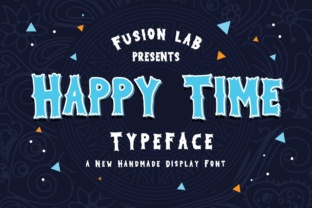
Designed with a playful spirit, Happy Time Typeface is ideal for projects that aim to evoke a sense of joy, nostalgia, or whimsy. Its character set features rounded edges, slightly uneven lines, and an overall handcrafted feel that gives it a distinct personality. This font isn't just about looking good—it's about creating an emotional connection with your audience through visual storytelling.
Understanding the Purpose of Happy Time Typeface
At its core, Happy Time Typeface is a display font, which means it's best suited for headlines, logos, and other prominent text elements rather than body copy. Display fonts are designed to grab attention and make a statement, and Happy Time does exactly that. Its retro-inspired design makes it perfect for use in areas where a nostalgic or vintage vibe is desired.
But what makes Happy Time stand out from other retro-style fonts? Unlike many fonts that mimic the look of old typewriters or 1970s signage, Happy Time incorporates subtle modern touches that give it a fresh and versatile appeal. This balance allows it to be used in a wide range of contexts, from packaging design to digital marketing materials, without feeling outdated or overly gimmicky.
The font’s versatility is one of its greatest strengths. It can be used in both digital and print formats, making it a valuable tool for designers across various industries. Whether you're creating a logo for a boutique coffee shop or designing a poster for a retro-themed event, Happy Time offers a distinctive visual identity that can help your project stand out.
Why Use a Retro-Inspired Font in Modern Design?
You might be wondering why someone would choose a retro-style font like Happy Time in today’s design landscape. After all, modern design often favors clean, minimalistic typefaces. However, there's a growing trend of incorporating vintage elements into contemporary work, and this is where fonts like Happy Time come into play.
Retro styles have a unique ability to evoke emotions and memories. They can create a sense of familiarity and comfort, which is especially valuable in branding and marketing. For example, a food brand that wants to convey a sense of home-cooked goodness might use a retro font to reinforce that message. Similarly, a tech startup aiming to appear approachable and friendly could use a font like Happy Time to add a human touch to their branding.
Another reason to consider retro fonts is their ability to differentiate your work from the competition. In a world where so many designs rely on standard sans-serif or serif fonts, using something like Happy Time can help your project stand out. It adds character and personality, making your work more memorable and engaging.
Practical Applications of Happy Time Typeface
Now that we’ve explored the purpose and appeal of Happy Time Typeface, let’s look at some real-world applications where it can be particularly effective.
- Branding and Logos: Happy Time is perfect for creating logos that reflect a playful or nostalgic brand identity. Think of a children’s toy company, a vintage clothing store, or a retro-themed café.
- Marketing Materials: From social media posts to print advertisements, Happy Time can add a fun and eye-catching element to your promotional content.
- Event Promotions: If you’re organizing a retro-themed party, concert, or festival, using Happy Time in your promotional materials can help set the tone and attract the right audience.
- Web Design: While not ideal for large blocks of text, Happy Time can be used effectively in headings, buttons, or other visual elements on a website to add personality and visual interest.
One of the most exciting aspects of Happy Time is its adaptability. It can be paired with other fonts to create a balanced and cohesive design. For instance, pairing it with a clean sans-serif font for body text can help maintain readability while still allowing the display font to shine in headlines and titles.
Common Misconceptions About Retro Fonts
Despite their popularity, retro fonts are sometimes misunderstood. Some people assume they are only suitable for specific niches or that they lack professionalism. However, this is far from the truth. When used appropriately, retro fonts can be just as effective and professional as any other typeface.
A common misconception is that retro fonts are difficult to read, especially in smaller sizes. While this may be true for some fonts, Happy Time is designed with legibility in mind. Its rounded shapes and clear letterforms make it easy to read even at smaller sizes, provided it's used in the right context.
Another misunderstanding is that retro fonts are only for aesthetic purposes and don’t serve a functional role. In reality, they can be powerful tools for communication. The right font can influence how an audience perceives a message, whether it's to convey excitement, nostalgia, or a sense of authenticity.
How to Incorporate Happy Time Into Your Projects
If you're interested in using Happy Time Typeface in your own work, here are a few tips to get started:
- Choose the Right Context: As a display font, Happy Time works best in headlines, logos, and other prominent text elements. Avoid using it for long paragraphs of text, as it may become difficult to read.
- Pair It Wisely: To maintain visual balance, pair Happy Time with complementary fonts. A clean, modern sans-serif font often works well as a contrast.
- Experiment with Weights and Styles: Many fonts offer different weights or styles (such as bold, italic, or outlined versions). Experimenting with these can help you find the perfect look for your project.
- Test It Out: Before finalizing your design, test Happy Time in different sizes and backgrounds to ensure it looks good in all scenarios.
By following these guidelines, you can make the most of Happy Time’s unique characteristics while maintaining clarity and professionalism in your work.
Conclusion: Embrace the Joy of Happy Time Typeface
Happy Time Typeface is more than just a font—it's a tool for creativity, expression, and connection. With its retro-inspired design and modern adaptability, it offers a unique way to bring personality and charm to your projects. Whether you're a designer, a marketer, or a creative enthusiast, Happy Time provides a fun and effective way to stand out in a crowded design landscape.
As you explore the possibilities of this font, remember that the key to successful typography lies in understanding your audience and choosing the right tools to communicate your message. With Happy Time, you’re not just selecting a font—you’re embracing a style that celebrates the past while looking toward the future.