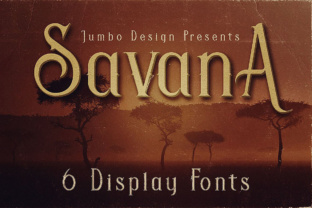
Savana: A Retro Display Font for Timeless Typography
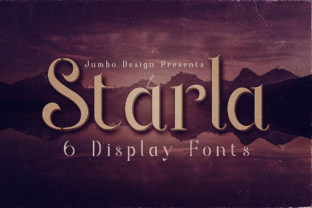
Savana is a display font that blends vintage charm with modern usability. Designed for those who appreciate the aesthetics of the past, it offers a unique visual identity that can elevate any design project. With six distinct styles, Savana provides flexibility for various typographic needs while maintaining a cohesive and nostalgic feel.
Unlike many contemporary fonts that prioritize minimalism, Savana embraces a more ornate approach. Its letterforms are reminiscent of mid-20th-century typography, making it ideal for projects that aim to evoke a sense of nostalgia or retro flair. Whether used in branding, signage, or editorial layouts, Savana adds a touch of elegance and character.
What Makes Savana Distinct?
Savana stands out due to its combination of historical inspiration and practical design. Each of its six styles caters to different visual preferences and use cases. From bold and dramatic to subtle and refined, there is a version of Savana that suits almost any creative need.
The font’s design elements, such as serifs, spacing, and stroke contrast, reflect traditional typefaces while ensuring readability in both large and small sizes. This balance between form and function makes it a versatile choice for designers looking to add a vintage aesthetic without compromising on clarity.
Comparing Savana to Similar Fonts
When evaluating display fonts, it's important to consider how they compare in terms of style, legibility, and versatility. Savana falls into a category of fonts that draw from historical typefaces, similar to options like Playfair Display, Baskerville, or Cinzel. However, Savana distinguishes itself through its specific range of styles and its ability to maintain readability across different applications.
Fonts like Playfair Display are often used in high-end editorial and branding contexts, offering a sophisticated look. While Savana shares some similarities in elegance, it leans more toward a retro aesthetic, which may not be suitable for all design goals. For example, a modern tech startup might prefer a clean, sans-serif font, whereas a boutique café could benefit from Savana’s vintage appeal.
Strengths of Savana
- Offers six distinct styles for varied typographic needs
- Combines retro aesthetics with readable design
- Works well in both large and small text sizes
- Provides a cohesive visual identity for projects with a vintage theme
Tradeoffs and Limitations
- May not be ideal for highly minimalist or modern design schemes
- Requires careful pairing with other fonts to avoid visual clutter
- Less suitable for long blocks of text due to its decorative nature
When to Choose Savana
Savana is most effective when the goal is to create a nostalgic or retro atmosphere. It excels in projects that benefit from a classic look, such as vintage-style posters, book covers, or branding for businesses with a historical or artisanal angle. Its variety of styles also allows for greater customization, making it adaptable to different design themes.
For instance, a restaurant aiming to convey a timeless dining experience might use Savana for its logo and menu headings. Similarly, a music festival promoting a retro-themed event could incorporate the font to reinforce its thematic identity.
When to Consider Alternatives
While Savana has many strengths, it may not be the best fit for every project. Designers seeking a more neutral or contemporary look might find other fonts more appropriate. In such cases, alternatives like Lato, Roboto, or Montserrat could offer better readability and versatility for digital interfaces or modern branding.
Additionally, if the primary focus is on legibility rather than aesthetic flair, a simpler font might be preferable. For example, a website targeting a broad audience would likely benefit from a clean, easy-to-read typeface rather than one with intricate details that could hinder comprehension.
Practical Use Cases for Savana
Savana is particularly useful in design projects that emphasize visual storytelling. Its retro style can enhance the mood of a campaign or help establish a brand’s personality. For example, a fashion line inspired by the 1970s might use Savana for its packaging and promotional materials to reinforce the era’s aesthetic.
In editorial design, Savana can serve as a headline font to draw attention while maintaining a sense of sophistication. When paired with a more neutral body font, it can create a balanced composition that highlights key information without overwhelming the reader.
Conclusion: Evaluating Savana for Your Needs
Savana is a strong option for designers looking to incorporate a vintage aesthetic into their work. Its six styles provide flexibility, and its balanced design ensures it remains functional across different applications. However, its suitability depends on the specific goals of the project and the desired visual tone.
By considering factors such as the target audience, design context, and overall style, users can determine whether Savana aligns with their needs. For those seeking a retro-inspired display font with a range of options, Savana offers a compelling choice. For others, exploring alternative fonts may lead to a more fitting solution. Ultimately, the decision should be based on a thoughtful evaluation of the project’s requirements and the font’s strengths.