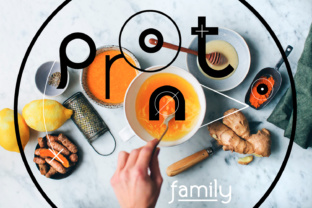
Exploring the Pronto Typeface: A Versatile Sans Serif for Designers
The Pronto typeface is a monoline sans serif font that offers a range of styles from hairline to black, providing designers with a broad spectrum of typographic options. Known for its clean and elegant design, Pronto is ideal for those seeking a versatile and stylish font that can enhance various design projects.
Understanding the Pronto Typeface
Pronto is a monoline sans serif typeface, meaning that all strokes have equal weight. This characteristic gives the font a modern and minimalist appearance. The font includes five distinct weights—hairline, light, regular, bold, and black—allowing users to choose the appropriate style based on their design needs. Its clean lines and balanced proportions make it suitable for both digital and print media.
The design of Pronto emphasizes readability and visual harmony. Each letterform is carefully crafted to maintain consistency across different weights, ensuring that the font remains legible at various sizes. This makes Pronto an excellent choice for body text, headings, and other typographic elements where clarity is essential.
Why Consider Pronto?
Designers and typographers may be drawn to Pronto for several reasons. Its versatility allows it to be used in a wide range of applications, from branding and web design to editorial layouts and packaging. The availability of multiple weights provides flexibility in creating visual hierarchy and emphasizing key elements within a design.
Additionally, Pronto's aesthetic appeal makes it a popular choice for projects that require a modern and sophisticated look. Its clean lines and minimalistic design can add a touch of elegance to any composition, making it a go-to font for professionals who value both form and function.
Benefits of Using Pronto
One of the primary benefits of using Pronto is its adaptability. The font's five weights allow for seamless transitions between different typographic elements, making it easier to create visually cohesive designs. This adaptability is particularly useful in projects that require varying levels of emphasis, such as headlines, subheadings, and body text.
Another advantage of Pronto is its readability. The font is designed to maintain clarity at different sizes, which is crucial for ensuring that text remains legible in both digital and print formats. This makes Pronto a reliable choice for long-form content, where readability is a top priority.
Tradeoffs and Considerations
While Pronto offers many advantages, there are also tradeoffs to consider. The font's minimalist design may not be suitable for projects that require a more distinctive or ornate style. In such cases, alternative fonts with more unique characteristics might be more appropriate.
Additionally, the availability of multiple weights means that designers need to be mindful of file size and licensing considerations. Depending on the project's scope, using all five weights may not be necessary, and selecting only the required styles can help optimize performance and reduce costs.
Situations Where Pronto Excels
Pronto is particularly well-suited for projects that prioritize clarity and simplicity. It is an excellent choice for corporate branding, where a professional and polished look is essential. The font's clean design can help convey a sense of reliability and sophistication, making it ideal for businesses that want to establish a strong visual identity.
In web design, Pronto's readability and adaptability make it a practical option for user interfaces, landing pages, and other digital content. Its ability to maintain legibility at different screen sizes ensures that users can easily read and engage with the content, regardless of the device they are using.
When Alternatives May Be Better
There are situations where alternatives to Pronto may be more suitable. For instance, if a project requires a more distinctive or decorative font, other typefaces with unique characteristics might be a better fit. Fonts with serifs or more elaborate details can add visual interest and differentiate a design from others that use a minimalist approach.
Additionally, for projects that demand a high level of customization, fonts with extended character sets or special glyphs may be necessary. While Pronto offers a comprehensive set of characters, it may not include all the features required for specific languages or typographic needs.
Decision-Making Insights
When deciding whether to use Pronto, it's important to evaluate the specific requirements of the project. Consider the intended audience, the medium in which the design will be used, and the overall aesthetic goals. If the goal is to create a clean, modern, and readable design, Pronto is likely a strong candidate.
However, if the project requires a more distinctive or specialized font, exploring other options may be beneficial. Testing the font in different contexts and comparing it with alternatives can help determine whether Pronto aligns with the desired outcome.
Ultimately, the decision to use Pronto should be based on a thorough evaluation of its strengths and limitations in relation to the project's needs. By considering factors such as readability, versatility, and visual appeal, designers can make informed choices that enhance the effectiveness of their work.