Why Timber is a Versatile Display Font for Designers
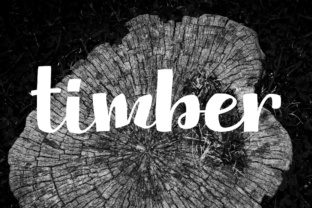
Timber is a hand-lettered display font that offers a unique blend of elegance and readability. Designed with a natural, organic feel, it stands out as a strong choice for headlines, logos, and other typographic elements that require visual impact. Its balanced weight and clean lines make it accessible for a wide range of design projects, while its handwritten aesthetic adds a personal touch that can elevate the overall look of any composition.
What Makes Timber Stand Out?
Timber is crafted to mimic the subtle irregularities of hand-lettering, giving it a warm and approachable character. Unlike more rigid or mechanical fonts, Timber brings a sense of authenticity and human touch to typography. This makes it particularly appealing for brands or projects that want to convey a sense of craftsmanship, creativity, or individuality.
The font’s structure is well-proportioned, ensuring that it remains legible even at smaller sizes. Its strokes are consistent in weight, which helps maintain visual harmony across different text sizes and applications. This balance between style and functionality is one of the reasons designers often turn to Timber when looking for a distinctive yet usable typeface.
When Timber is a Strong Fit
Timber is ideal for situations where a custom, handcrafted feel is desired. It works well in branding, especially for businesses in creative industries such as art, fashion, or lifestyle sectors. Its organic look can help differentiate a brand from competitors who use more traditional or corporate fonts.
Designers also find Timber useful for editorial layouts, such as magazine covers, book titles, or promotional materials. Its visual appeal can draw attention and create a memorable impression. Additionally, it’s a good choice for web headers or social media graphics where a stylized, eye-catching headline is needed.
Situations Where Alternatives May Be Better
While Timber has many strengths, it may not be the best option for every project. In cases where high legibility at very small sizes is critical, such as body text in print or digital interfaces, a more traditional sans-serif or serif font might be more appropriate. Timber’s hand-lettered style can sometimes appear too ornate or inconsistent for these uses.
Additionally, if a project requires a more modern or minimalist aesthetic, Timber’s organic shape may not align with the intended design direction. In such cases, fonts like Montserrat, Lato, or Roboto could offer a cleaner, more versatile alternative.
Key Considerations When Using Timber
Before committing to Timber, consider the context in which it will be used. The font’s style is most effective when it complements the overall design rather than competing with it. It works best in projects that benefit from a personal, artistic touch rather than strict professionalism or neutrality.
Another factor to keep in mind is the availability of the font. Timber may not be included in all design software or foundries, so it’s important to check licensing and distribution options before using it in commercial projects. Some versions may require purchase or subscription, depending on the source.
Practical Insights for Decision-Making
For designers evaluating Timber, it’s helpful to test it in real-world scenarios. Experiment with different text sizes, colors, and backgrounds to see how it performs in various contexts. This can reveal whether it meets the specific needs of a project or if adjustments are necessary.
Consider the target audience as well. If the design is meant for a broad or professional audience, a more neutral font might be preferable. However, for niche markets or creative audiences, Timber’s unique style can add value and differentiation.
Finally, think about long-term usability. While Timber may look great in a single project, it should also fit within the broader typographic system of a brand or design language. Consistency across different elements is key to maintaining a cohesive visual identity.
Conclusion
Timber is a compelling choice for designers seeking a hand-lettered display font that balances style with readability. Its organic aesthetic and well-weighted structure make it suitable for a variety of applications, especially those that benefit from a personal or artistic touch. However, it’s important to assess whether it aligns with the specific goals and requirements of a project.
By considering factors such as legibility, context, and audience, designers can determine whether Timber is the right fit for their work. When used appropriately, it can enhance the visual appeal and emotional impact of a design, making it a valuable addition to any typographic toolkit.