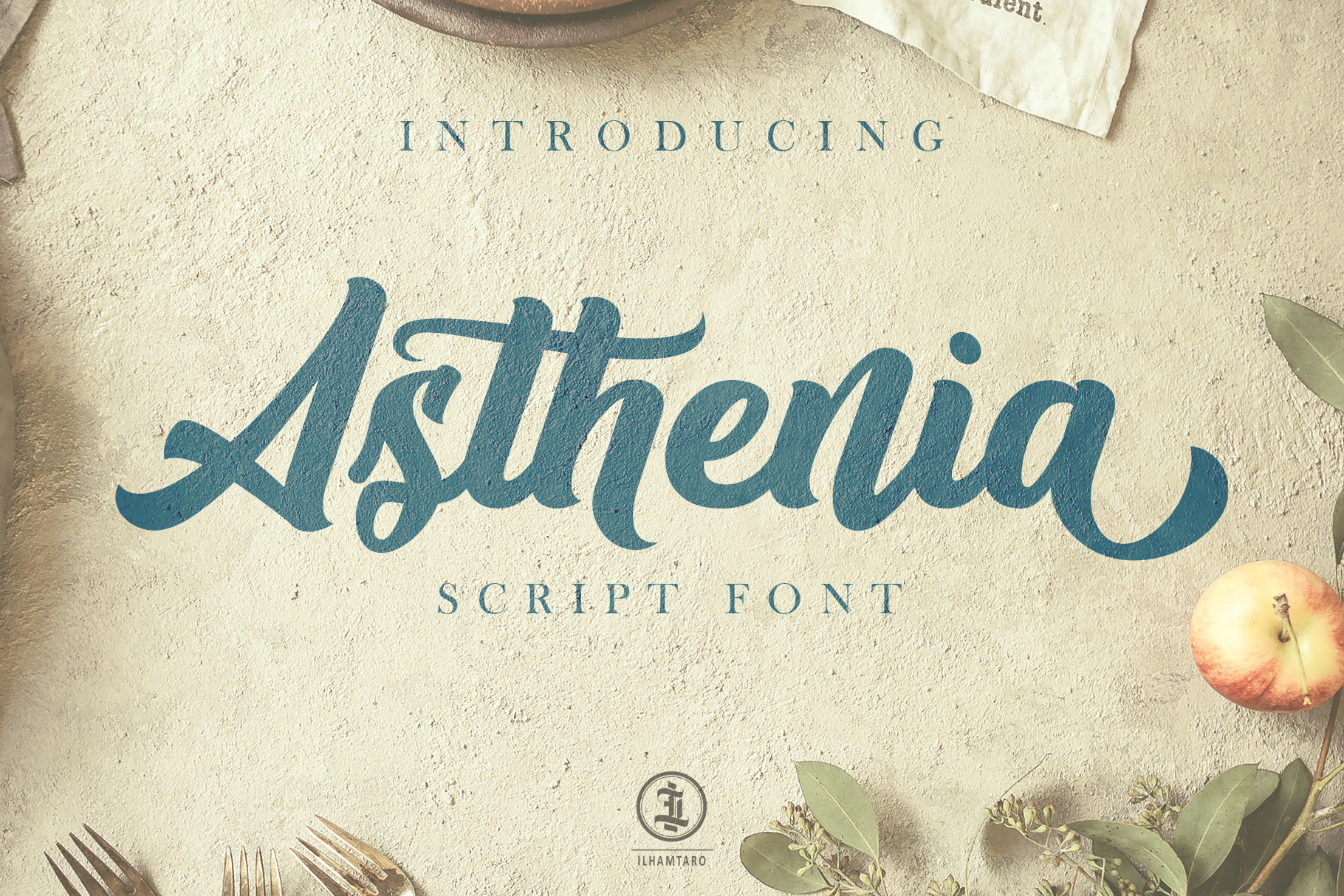
Understanding Asthenia: A Beautiful Display Font for Every Project
In the world of design and typography, the right font can make all the difference. One such font that has been gaining attention is Asthenia. While it may sound like a medical term, Asthenia is actually a stunning display font that brings elegance and versatility to any project. Whether you're working on a website, a logo, or a print ad, Asthenia offers a unique blend of beauty and functionality that can elevate your work to new heights.
But what exactly is Asthenia? And why is it considered so special? In this article, we'll explore the characteristics of Asthenia, its practical applications, and why it's becoming a favorite among designers and developers alike.
What Is Asthenia?
Asthenia is a display font that stands out for its striking visual appeal. Unlike standard sans-serif or serif fonts, which are often used for body text, display fonts like Asthenia are designed to catch the eye and make a statement. They are typically used for headlines, logos, and other prominent text elements where visual impact is key.
The name "Asthenia" might be unfamiliar to many, but once you see the font in action, it's hard to forget. Its design is both modern and timeless, with a balance of weight and style that makes it suitable for a wide range of projects. The font features clean lines, subtle curves, and a strong presence that commands attention without overwhelming the viewer.
Why Asthenia Stands Out
One of the most remarkable aspects of Asthenia is its versatility. It can be used in both digital and print media, making it an excellent choice for designers who need a font that works across different platforms. Whether you're creating a website, a social media post, or a brochure, Asthenia adapts seamlessly to the medium.
Another reason designers are drawn to Asthenia is its readability. Despite its bold and decorative appearance, the font remains easy to read, even at smaller sizes. This makes it ideal for use in headers, titles, and other areas where clarity is essential. Additionally, Asthenia comes in various weights and styles, giving designers more flexibility to suit their specific needs.
Practical Applications of Asthenia
Asthenia's unique design makes it a great fit for a variety of projects. Here are some common use cases:
- Logos and Branding: Asthenia's elegant yet strong look makes it perfect for creating memorable logos and brand identities. Its distinct character helps brands stand out in a crowded market.
- Web Design: When used as a heading font, Asthenia can add visual interest to websites while maintaining a professional appearance. It works well in both modern and traditional web designs.
- Print Media: From posters to business cards, Asthenia adds a touch of sophistication to printed materials. Its clean lines ensure that it looks sharp and professional on paper.
- Marketing Materials: Whether it's a flyer, advertisement, or email newsletter, Asthenia can help your message stand out and grab the reader's attention.
How Asthenia Fits Into Modern Design Trends
In today's fast-paced digital world, design trends evolve rapidly. However, certain fonts and styles tend to remain popular due to their timeless appeal. Asthenia aligns with current design trends by offering a modern aesthetic that doesn't sacrifice readability or usability.
Many designers are moving away from overly complex or ornate fonts in favor of cleaner, more versatile options. Asthenia fits this trend perfectly. Its minimalist yet stylish design allows it to blend well with other fonts and design elements, making it a valuable addition to any designer's toolkit.
Common Misconceptions About Display Fonts
While display fonts like Asthenia are highly effective for certain applications, they are often misunderstood. Some people assume that display fonts are only suitable for large, eye-catching text and not for everyday use. However, this isn't entirely true.
Display fonts can be used in a variety of ways, including as part of a larger typographic hierarchy. For example, a designer might pair Asthenia with a simpler, more readable font for body text to create a balanced and visually appealing layout. This approach ensures that the design remains functional while still being aesthetically pleasing.
Another common misconception is that display fonts are difficult to work with. In reality, many display fonts, including Asthenia, are designed with accessibility and usability in mind. They often include features like proper spacing, consistent stroke weights, and clear letterforms that make them easier to read and integrate into designs.
Getting Started With Asthenia
If you're interested in using Asthenia in your projects, there are several ways to get started. First, you'll need to find a reliable source to download or purchase the font. Many font foundries offer Asthenia for free or at a low cost, making it accessible to both amateur and professional designers.
Once you have the font installed, you can begin experimenting with it in your design software. Whether you're using Adobe Photoshop, Illustrator, or a web development tool like Figma or Canva, Asthenia should be available as an option in your font library. From there, you can test it in different contexts to see how it performs in various settings.
Conclusion
Asthenia is more than just a beautiful font—it's a powerful tool that can enhance your design work in countless ways. Its combination of style, readability, and versatility makes it an excellent choice for a wide range of projects. Whether you're a seasoned designer or just starting out, incorporating Asthenia into your workflow can help you create more visually engaging and impactful designs.
As with any font, the key to success lies in understanding its strengths and limitations. By using Asthenia thoughtfully and appropriately, you can unlock its full potential and take your design projects to the next level. So why not give it a try and see how it can transform your work?