Haarlem Serif: A Timeless Addition to Your Typographic Toolkit
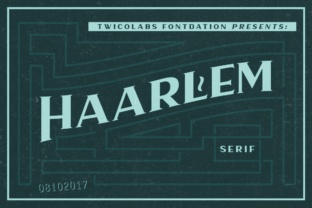
If you're a designer, marketer, or creative professional looking for a font that blends classic elegance with modern versatility, Haarlem Serif is worth exploring. This all-caps typeface draws inspiration from its predecessor, Haarlem Sans, but adds a distinct serif element that gives it a more refined and robust appearance. Whether you're working on a branding project, a print design, or a digital campaign, Haarlem Serif offers a unique visual identity that can elevate your work.
One of the standout features of Haarlem Serif is its combination of thick vertical strokes and thin horizontal lines. This design choice creates a striking contrast that makes the font both readable and visually compelling. The serif details add a layer of sophistication, making it ideal for projects that require a touch of vintage charm without sacrificing clarity.
Real-World Applications of Haarlem Serif
Haarlem Serif isn't just another font in your library—it's a tool that can be used in a variety of real-world scenarios. For instance, if you're designing a logo for a boutique or a small business, this font can help convey a sense of tradition and quality. Its wide form and bold structure make it perfect for headings, titles, and other prominent text elements where visibility and impact are key.
For those in the publishing industry, Haarlem Serif can be a great choice for book covers, magazine headlines, or editorial layouts. Its multilingual support ensures that it works well across different languages, making it a practical option for international publications. The font also includes lowercase letters, numerals, and punctuation, which adds to its flexibility in various design contexts.
Another area where Haarlem Serif shines is in signage and wayfinding. Whether it's for a retail store, a museum, or a public space, the font's strong, clean lines make it easy to read from a distance. The added serif detail helps distinguish it from more modern sans-serif fonts, giving it a timeless appeal that can complement both traditional and contemporary environments.
Who Benefits From Using Haarlem Serif?
Haarlem Serif appeals to a broad range of users, each of whom may find different value in its design. For example, graphic designers working on retro-themed projects can use it to create a nostalgic feel without relying on outdated fonts. Its ability to convey strength and sophistication makes it a popular choice for brands that want to project reliability and class.
Marketers and advertisers can also benefit from Haarlem Serif when crafting campaigns that target a more mature or upscale audience. The font's boldness and clarity help ensure that messages stand out, while its classic look can evoke a sense of trust and authenticity. It's particularly effective in print ads, billboards, and promotional materials where visual impact is crucial.
Web developers and UI/UX designers might consider using Haarlem Serif for specific elements of a website, such as headers, call-to-action buttons, or navigation menus. While it's not typically used for body text due to its size and weight, it can add a distinctive visual flair to key sections of a site. When paired with complementary fonts, it can create a balanced and cohesive design language.
Considerations Before Using Haarlem Serif
Before incorporating Haarlem Serif into your design work, it's important to consider how it will fit within the overall aesthetic of your project. While it's highly versatile, it may not be suitable for every type of content or platform. For instance, if you're designing for mobile devices, the font's larger x-height and heavy strokes could affect readability on smaller screens.
Another factor to keep in mind is the context in which the font will be used. Haarlem Serif is best suited for projects that require a strong, confident presence. It may not be the best choice for casual or informal designs, where a more relaxed or playful font might be more appropriate. Additionally, since it's an all-caps font, it's important to ensure that the design doesn't become overwhelming or difficult to read in long blocks of text.
When choosing between the Regular and Italic styles, consider the tone and message you want to convey. The Italic version can add a sense of movement or emphasis, making it ideal for headings or special phrases. However, it should be used sparingly to avoid disrupting the overall flow of the design.
Strengths and Limitations of Haarlem Serif
One of the main strengths of Haarlem Serif is its ability to blend old-world charm with modern functionality. Its clear structure and strong visual identity make it a reliable choice for a wide range of applications. The availability of alternate characters also allows for greater customization, enabling designers to create unique typographic solutions that stand out from the crowd.
However, there are some limitations to be aware of. As an all-caps font, it may not be ideal for body text or lengthy paragraphs, where lowercase letters are often preferred for readability. Additionally, while the font supports multiple languages, it's important to test it thoroughly in different scripts to ensure that it renders correctly and maintains its intended aesthetic.
Overall, Haarlem Serif is a powerful addition to any designer's toolkit. Whether you're working on a high-end brand identity, a historical publication, or a bold digital campaign, this font offers a unique balance of style and substance that can enhance your creative output. With its rich history and modern adaptability, it's a font that continues to prove its relevance in today's design landscape.